

How is UPS autonomy calculated?
From load power, UPS efficiency, battery voltage and capacity at the discharge rate, with a margin for battery ageing and temperature.
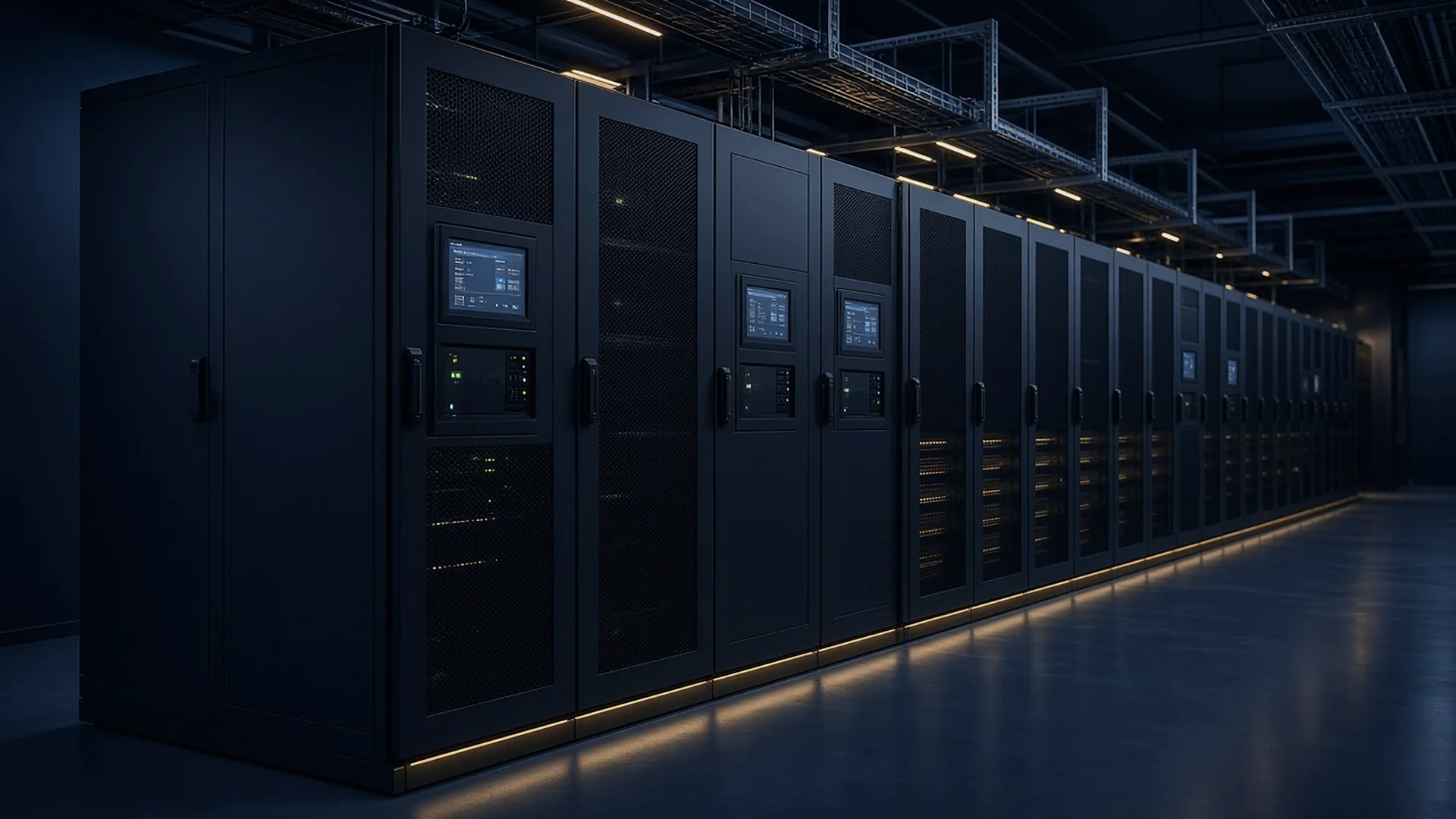
Products we supply
UPS systems, rectifiers and solar inverters sized for the critical load, the required autonomy and the connection point.
01Overview
Powersense supplies single-phase, three-phase and modular UPS, rectifiers and battery chargers, and solar inverters built to IEC standards, and engineers the supply: load and autonomy calculation, redundancy, battery room and grid connection.
Request a quote →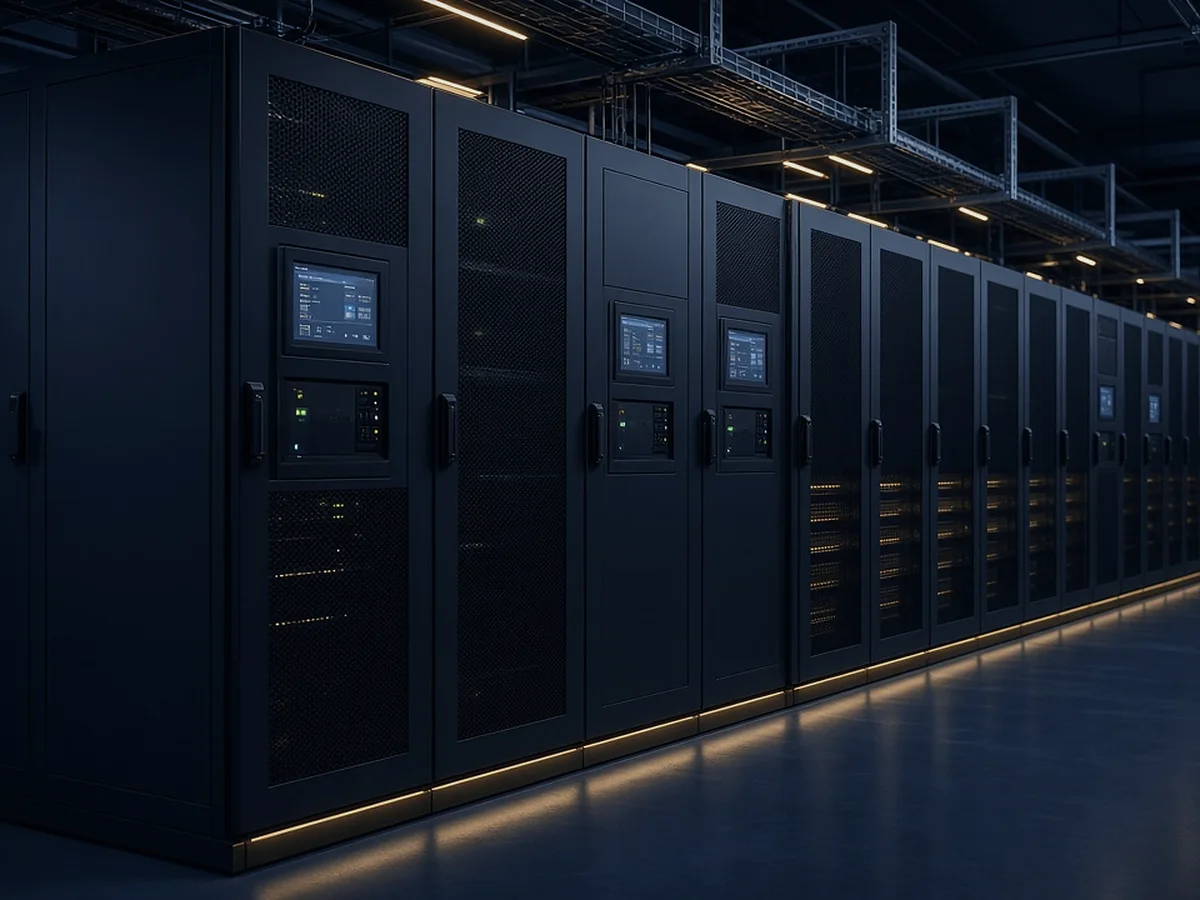
02Scope and process
Loads in kW and kVA, power factor, inrush and crest factor are listed, and critical and non-critical circuits are separated.
Rated power, battery capacity for the required run time and efficiency are selected under IEC 62040-3.
A single, N+1 or modular parallel arrangement is chosen for the required availability, with bypass and maintenance paths defined.
Rectifiers and chargers for substations, pipelines and cathodic protection are sized for load and battery charging, with battery-room ventilation to IEC 62485-2.
The inverter is sized against the PV array and the connection point, and grid-connection requirements and anti-islanding are checked (EN 50549-1, IEC 62116).
Status and alarms are mapped to the BMS or SCADA, and autonomy, transfer and PV tests are recorded at commissioning (IEC 62446-1).
03Standards
These standards form the technical basis for design and equipment selection. The exact set is confirmed for each project against the national regulations in force.
04Products
05Project types
06Technical notes
From load power, UPS efficiency, battery voltage and capacity at the discharge rate, with a margin for battery ageing and temperature.
One more module than the load requires, so a module can fail or be serviced without the load being dropped.
07Keep exploring
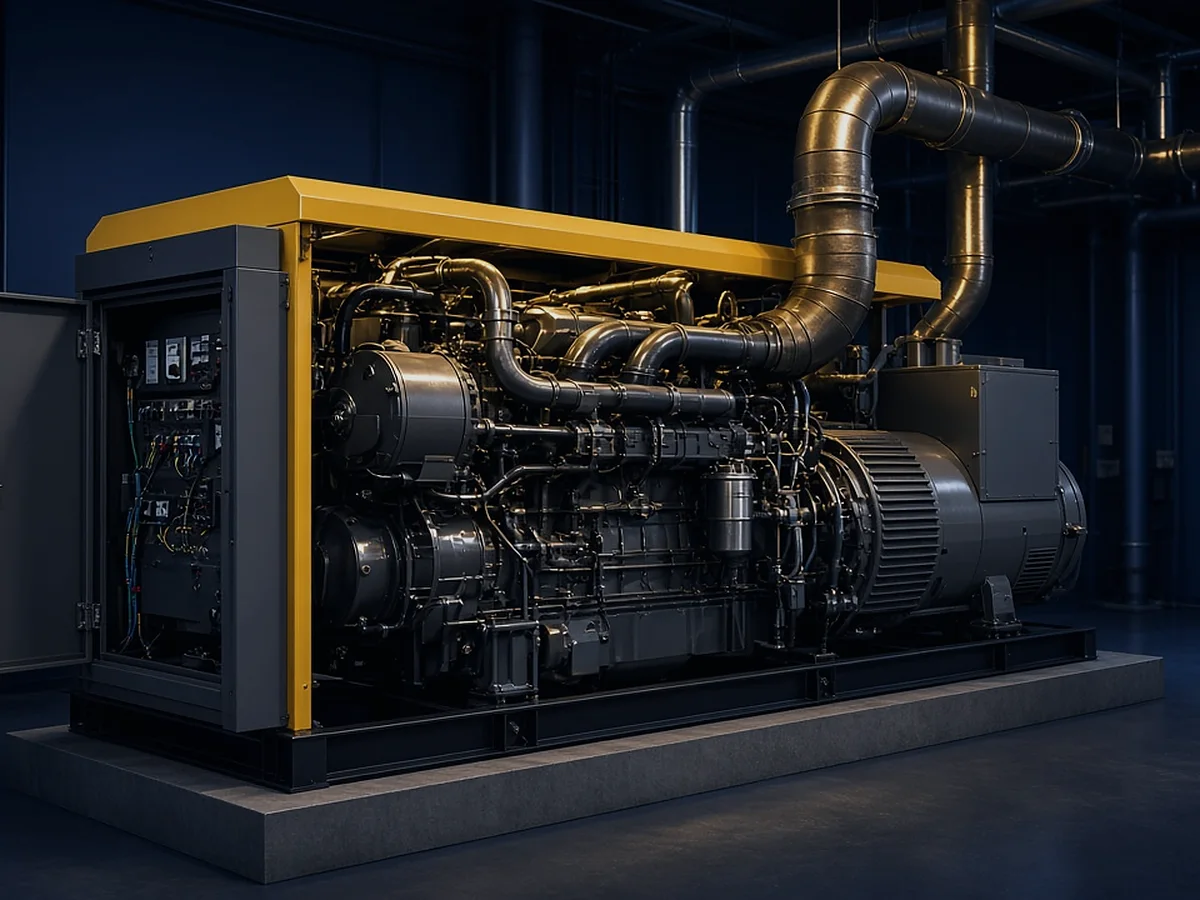
Diesel, gas, gasoline, marine and solar generator sets with transfer and synchronisation panels, sized for the load that starts, not only the load that runs.
View details →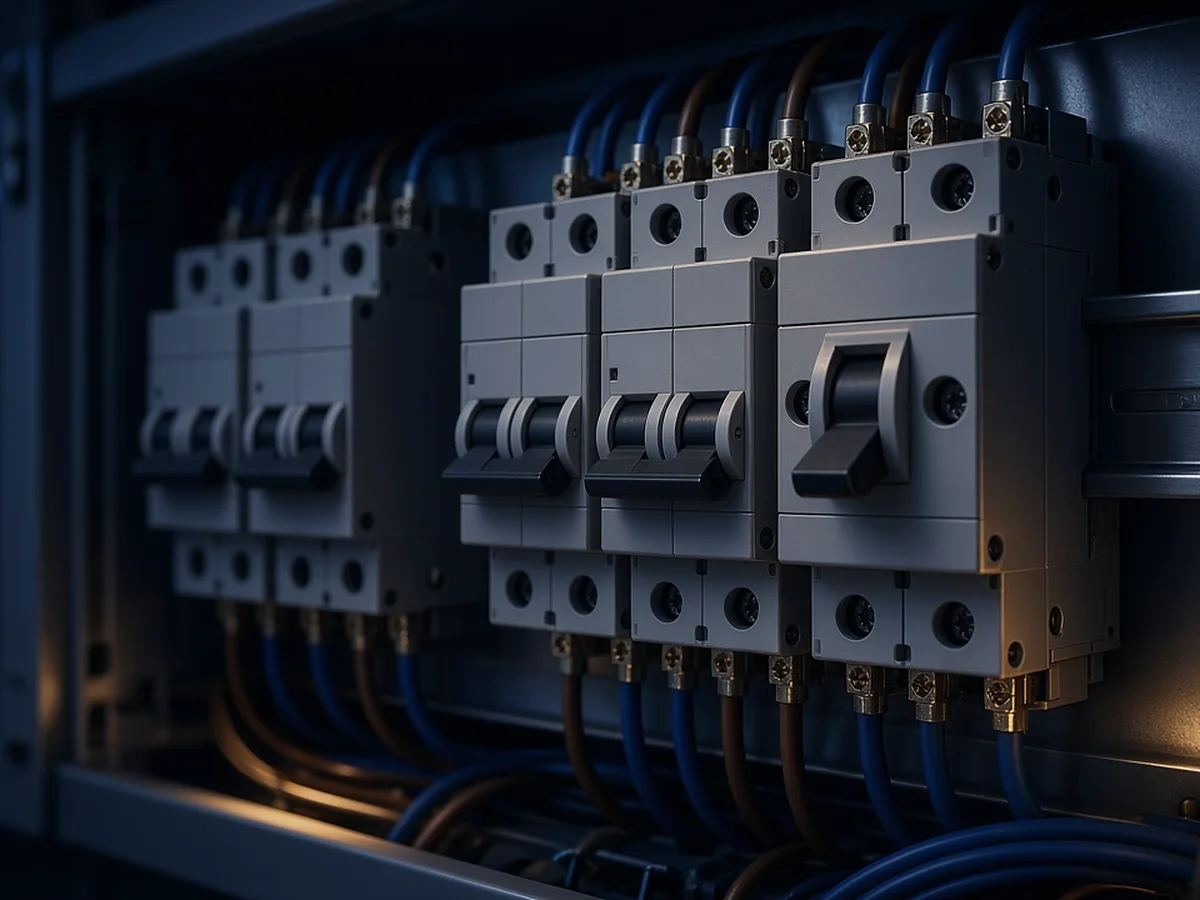
Circuit breakers, contactors, motor starters, power-factor correction and metering, selected as one coordinated low-voltage protection system.
View details →
Concept, basic and detailed electrical design supported by calculations, studies and specifications, with the specified equipment supplied by Powersense.
View details →
Official distributor
Official distributor of ALKAN® Lighting (Alkan Aydınlatma) in Montenegro
Alkan Asya Afrika Üretim ve Elektrik Malzemeleri Sanayi Ticaret A.Ş.